A Clear Plan and Protection Starts with A Free Inspection

termites under magnifying glass

Signs Your Home Has a Termite Problem

Termites are often called the “silent destroyers,” and for a good reason. These small, wood-eating insects can cause significant damage to your home before you even realize there’s an issue. For most homeowners, the thought of a termite infestation is nothing short of terrifying. The truth is that termites are one of the most destructive pests, capable of compromising the structural integrity of your home. But how can you tell if your home is under attack by these wood-destroying organisms? Knowing the signs of a termite infestation can help you catch the problem early, potentially saving you thousands of dollars in repairs.

Understanding these warning signals and knowing when to act is crucial in preventing further damage. In this guide, the Anchor Pest Control team will walk you through the most common signs of a termite infestation so that you can protect your home before it’s too late.

The Dangers of a Termite Infestation

Termite infestations are not just a minor inconvenience but a severe threat to your home. Termites can cause significant damage over time, often before you even notice any signs they’re even there. The impact can be devastating, especially if the infestation involves large termite colonies. Termite damage can weaken the structure of your home, making it unsafe to live in and expensive to repair. This is why termite control and prevention are essential for every homeowner.

Different termite species can cause varying degrees of damage, but they all have one thing in common: their appetite for wood. Subterranean termites and dampwood termites are the most common culprits in termite infestations. Subterranean termites, for instance, build extensive networks of mud tubes to reach their food sources. The longer a termite colony can thrive, the more damage it can cause. If left untreated, a termite problem can lead to structural damage that may require costly termite treatments and even full-scale renovations.

Termite infestations can also be difficult to detect, as termites often hide in places like crawl spaces, wall voids, and behind exterior walls. This is why regular termite inspections are crucial. Our professional termite control services can help identify termites and provide effective termite control solutions to protect your home.

How to Spot a Termite Infestation

Spotting a termite infestation early can save you a lot of trouble down the line. The first step in termite protection is knowing what to look for. One of the most common signs of termite infestation is the presence of termite swarmers. Termite swarmers are winged termites that leave their colony in search of a new place to establish a new colony. If you see swarmers around your home, especially near windows or light sources, it’s a strong indicator that a termite colony may be nearby.

Another sign of termites is the presence of worker termites. These termites are responsible for most of the damage to your home. Worker termites feed on wood and other cellulose materials, leaving behind distinct termite damage. This damage often appears as hollowed-out wood, which can sound hollow when tapped. You might have an active termite infestation if you notice damaged wood or hear a hollow sound when tapping on wood structures.

Termite Frass

Termite frass is another telltale sign that your home may have a termite problem. Frass is a polite term for termite droppings, often mistaken for sawdust or small wood pellets. Finding termite frass around your home, especially near baseboards, window sills, or other wooden structures, strongly indicates a termite infestation. Frass can vary in color, ranging from light beige to dark brown, depending on the wood the termites consume. The presence of frass is a clear sign that termites are active within your home and should not be ignored.

Discarded Wings

Another common sign of a termite infestation is the discovery of discarded wings. After termite swarmers find a suitable location to establish a new colony, they shed their wings. These wings are often found near windows, doors, or other entry points where the swarmers may have entered your home. If you notice piles of discarded wings, it’s a strong indication that termites have already found their way inside and are beginning to establish a new colony.

Discarded wings are typically translucent and may resemble fish scales. They are often found in large numbers, especially during termite swarming season, which occurs in the warmer months. It’s important to recognize that discarded wings are a sign that a termite colony is in the early stages of development. This is the best time to act, as an early intervention can prevent the colony from growing and causing significant damage to your home.

Damaged Wood

Damaged wood is one of the most obvious and concerning signs of a termite infestation. Termites feed on wood from the inside out, leaving behind hollowed-out sections that can compromise the structural integrity of your home. If you notice wood that appears blistering, crumbling, or has an unusual texture, it could be a sign of an active termite infestation.

Termite damage often goes unnoticed until it becomes much more severe. As termites consume the wood, they leave behind thin layers of wood or paint that can easily be punctured. If you notice that the wood around your home sounds hollow when tapped or if you find small holes in the wood, it’s time to take action.

Evidence of Mud Tubes

Mud tubes are a clear sign that your home may be under attack by subterranean termites. These tubes are small, tunnel-like structures made of soil and saliva that termites use to travel between their nest and food source. Mud tubes are typically found on the exterior of your home, especially along the foundation, in crawl spaces, or on walls. Checking for evidence of these tubes during your preliminary termite inspection can help steer you in the right direction.

Subterranean termites rely on mud tubes to maintain their moisture levels and survive. These tubes also protect their whole colony from predators as they move from the soil surrounding your home to the wood they consume. Mud tubes can be easily overlooked, as they often blend in with the soil and other debris around your home. However, they are a crucial indicator of termite activity.

Know When to Call in the Termite Control Experts

Dealing with a termite infestation is not something you should handle on your own. While many DIY termite treatment options are available, such as termite bait systems and termite control products, they are often not enough to fully eradicate a termite colony that pest control companies can offer. Termites are resilient pests that require professional intervention to effectively treat termite infestations and prevent them from returning.

If you’ve noticed any termite infestation signs mentioned above, it’s time to call in the experts at Anchor Pest Control. Our professional pest control company has the experience, knowledge, and tools needed to identify the termite species, assess the extent of the infestation, provide the most effective termite treatments, and prevent termite infestations in the future.

Schedule Your Next Termite Control Service Appointment Today

Termite infestations are a serious threat to the safety and integrity of your home. The signs of a termite infestation can be subtle, but knowing what to look for can help you catch the problem early and take action before it’s too late. Whether you’ve noticed damaged wood, mud tubes, or discarded wings, it’s essential to address the issue as soon as possible.

At Anchor Pest Control, we understand the importance of protecting your home from termites and other wood-destroying organisms. Our team of experienced professionals is dedicated to providing the highest quality residential pest control services to keep your home safe. We offer comprehensive termite inspections, effective termite treatments, and ongoing termite protection plans to ensure your home remains termite-free.

stink bug

How to Prevent Stink Bugs — Tips & Tricks That Work

As the seasons shift and the cool breeze of fall whispers through the trees, many of us look forward to pumpkin-spiced treats and cozy evenings. However, with the beauty of the season also comes an unwelcome guest in many homes in New Jersey and Pennsylvania — the stink bug. These pesky invaders can turn a serene autumn into a nuisance as they seek shelter in our warm homes. Luckily, there are effective ways to deter these critters, ensuring that your home remains a stink-bug-free zone. Anchor Pest Control provides homeowners peace of mind by providing top-notch stink bug control services. Let’s explore some insights into understanding and managing these unwelcome guests.

What Exactly Are Stink Bugs?

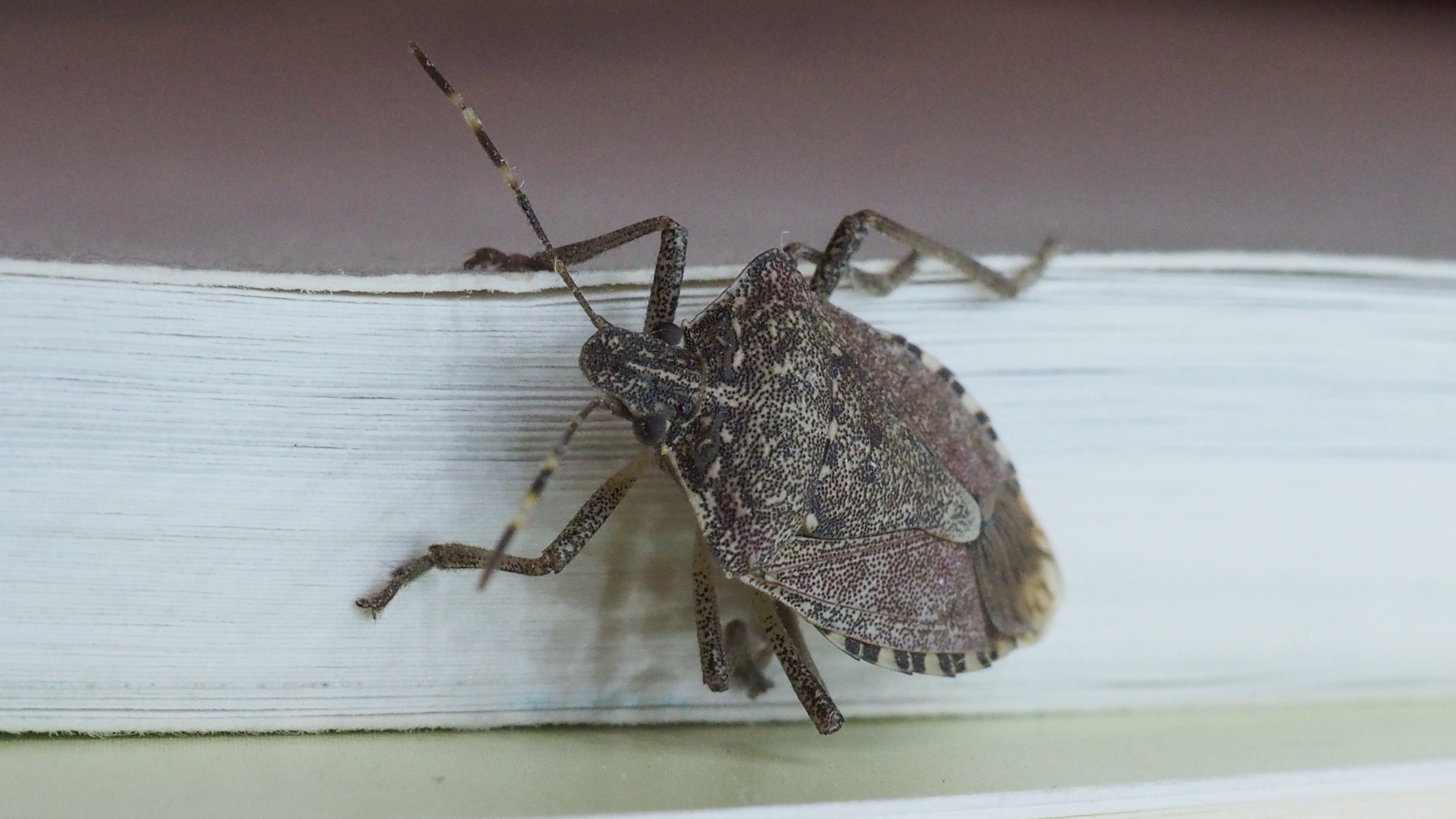
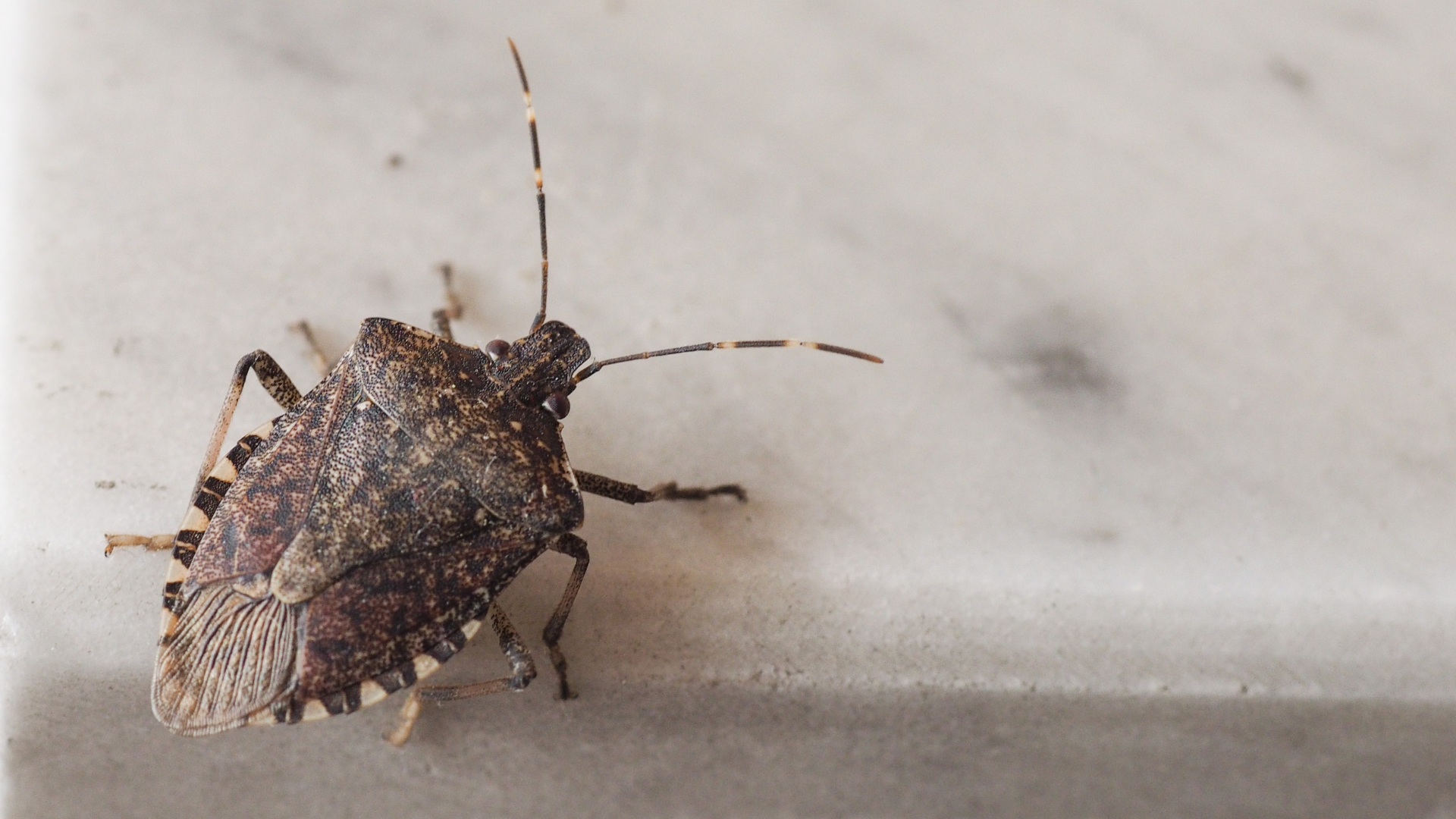
Stink bugs, scientifically known as brown marmorated stink bugs, are small, shield-shaped insects notorious for their defense mechanism — a pungent smell they release when threatened or crushed. Originally from Asia, these bugs have made a firm foothold in North America, especially prevalent in the Mid-Atlantic region. They are particularly active during the late summer and early fall as they seek shelter for the cooler months. This is when homeowners most notice stink bugs inside.

Despite their nuisance, stink bugs are primarily a threat to agricultural crops, feeding on a wide variety of plants. In residential areas, they become a household pest when they invade homes to overwinter. The adult stink bugs tend to lay eggs on the undersides of leaves in spring, leading to a new generation that grows through the summer and seeks refuge in homes by fall. Understanding their life cycle and behaviors is key to effectively developing strategies to control stink bugs.

Signs You Have a Persistent Stink Bug Problem

If you’re noticing signs of a stink bug problem in your home, it’s crucial to act swiftly to prevent a full-blown infestation. These pesky critters are not only a nuisance but can also cause damage to your home and garden. Here are some clear indicators that stink bugs are trying to make your house their winter retreat:

  • Presence of Stink Bugs: Finding live or dead stink bugs inside your home, especially around light sources like lamps and windows, is a telltale sign. As the weather cools, stink bugs begin seeking a warm place to overwinter, and your home could be just the spot they need.
  • Unpleasant Odor: Stink bugs release a pungent smell when disturbed or crushed. If you start noticing this foul odor more frequently, you likely have a growing stink bug presence.
  • Seasonal Sightings: Stink bugs tend to invade homes in the early fall or late summer. If you start seeing them during these times, it’s time to inspect your home for more stink bugs and potential entry points.
  • Damage to Plants: If you observe damage to garden plants characterized by necrotic spots or deformed fruits, stink bugs might be feeding nearby. They suck nutrients from plants, causing significant harm over time.

Recognizing these signs early can help you take action, implement proper stink bug control strategies, and keep your home pest-free.

How to Prevent Stink Bug Infestations

Preventing stink bugs from entering your home requires a combination of tactics that focus on exclusion and making your home less attractive to these pests. First and foremost, ensure that all potential entry points are sealed. Use good quality silicone or silicone-latex caulk to seal cracks around windows, doors, siding, utility pipes, behind chimneys, and underneath the wood fascia. Other openings, such as where wires and pipes enter your house, should also be secured.

Reducing outdoor lighting can also significantly decrease stink bug attraction to your home. Replace standard mercury vapor lights with yellow bulbs or sodium vapor lights, which are less attractive to stink bugs and other pests. Also, managing moisture sites around your property by fixing leaky faucets and water pipes can reduce the habitat attractiveness for stink bugs, as these areas provide necessary hydration for survival.

Manage Your Landscape

Proper landscaping is crucial in controlling stink bugs. They are often attracted to homes because of the vegetation and plants nearby that provide them with food and shelter. To prevent finding stink bugs around your property, regularly trim any overgrown vegetation, especially those that touch your home’s exterior, as these can provide easy access points for stink bugs to enter. Additionally, avoid planting trees known to attract stink bugs close to your home.

Mulching can also play a role in stink bug control. Use rock or gravel mulch instead of organic mulches like wood chips, which can retain moisture and attract stink bugs. Keeping your garden clean of weeds and debris can further diminish the attractiveness of your landscape to stink bugs.

Seal Entry Points

One of the most effective ways to prevent stink bugs is by sealing entry points they could use to get inside your home. This goes beyond just checking doors and windows. Look for gaps where utility pipes and cables enter your home, around window air conditioners, and other less obvious gaps and cracks. Sealing these can prevent stink bugs and other pests from gaining entry.

Ensure that all window screens are intact and free from tears or gaps. Even small openings can be an invitation for stink bugs to enter. Weather stripping around doors and windows can also help seal off entry points, ensuring these pests remain outside where they belong.

Remove Things That Attract Them

The best way to get rid of stink bugs is to get rid of their most likely food sources. Eliminate these temptations that can attract stink bugs by keeping food sealed and disposing of garbage regularly in sealed receptacles. Reducing moisture sites around your home by fixing leaks and ensuring proper drainage can also deter stink bugs, as they seek out water for survival. Additionally, consider using natural repellents like essential oils; scents like mint and catnip are often cited as effective against stink bugs.

Bring in the Professionals

When stink bugs begin to make themselves at home, taking quick and effective action is crucial to prevent a severe infestation. Partnering with the professionals at Anchor Pest Control offers the best strategy for swift and thorough stink bug eradication. Our team specializes in proven stink bug control methods that eliminate current invaders and prevent future incursions. Here’s how Anchor Pest Control can benefit your home:

  • Expert Assessments: Our technicians perform detailed inspections to identify the severity of the infestation and pinpoint where stink bugs are entering your home.
  • Customized Treatments: We develop tailored solutions that target your specific situation, whether it involves sealing entry points, applying treatments, or setting up preventative measures.
  • Advanced Techniques: Utilizing the latest in pest control technologies, we ensure the effective elimination of stink bugs without compromising your household’s or the environment’s safety.
  • Preventative Strategies: Beyond just treating the current problem, we offer advice and services to deter stink bugs and other pests from returning, keeping your home secure season after season.

Trust Anchor Pest Control to provide the expertise necessary to regain a pest-free environment efficiently and sustainably.

Schedule Your Next Stink Bug Control & Removal Appointment Today

Don’t let stink bugs take over your serene autumn! Anchor Pest Control’s residential pest control services are here to help. By scheduling regular inspections and treatments, you can ensure that stink bugs and other pests are controlled before they become a major issue. Our team is equipped with the knowledge and tools to provide the best advice and solutions tailored to your needs.

Contact us today to schedule your appointment and enjoy a stink bug-free season. With our expertise, you can rest assured that your home will be protected from these invasive pests all year round.

chewed through wire

Protect Your Car Wiring From Rats, Squirrels, and Other Rodents

Many car owners may not realize that their vehicle could become the preferred refuge for rats, squirrels, and other rodents. These critters are attracted to the warm, enclosed spaces of cars, particularly the engine compartment, as ideal spots to escape the outdoors. They also sometimes seek food sources in parked cars. Unfortunately, no matter why these little intruders have decided to hang out in your car, rodent damage can be dangerous and destructive. Mice, rats, and other rodents often chew on wires and other vehicle components, leading to significant issues.

At Anchor Pest Control, we know a thing or two about rodent control and removal, and trust us — you definitely don’t want to end up with these unwelcome guests. The necessity of safeguarding your car’s wiring from rodents extends beyond maintaining vehicle functionality and safety; it is also about avoiding unexpected and often substantial repair expenses. Damage caused by mice or rats chewing car wires typically remains hidden until it causes vehicle malfunctions, potentially leading to critical safety hazards while driving. Here’s what you need to know about how to keep mice out of your car!

Understanding the Threat

Common Rodents That Damage Car Wiring

Do squirrels chew wires? What about chipmunks? These and other questions might be running through your mind after you discover damaged wiring. Unfortunately, the answer is yes. While rats and mice are the usual suspects when it comes to rodent damage, car wiring can fall victim to squirrels, chipmunks, and even non-rodent animals such as raccoons, depending on where you live.

Why Rodents Like Chewing Your Car Wires

As mentioned before, the primary allure for rodents is the warmth and potential food sources that cars often provide. But why exactly do rodents chew car wiring in addition to tasty food scraps? It all comes down to their natural chewing instinct, which helps them keep their constantly growing teeth at a manageable length. Car wires, covered in soy-based insulation, are particularly appealing due to their texture and accessibility. Since car engines are accessible through the bottom of the car, rodents often end up gnawing on engine wires specifically, which is easier for them — but harder for your bank account.

The dangers of rats, chipmunks, squirrels, and mice in car engines extend to the potential for electrical failures and the malfunctioning of essential systems such as brakes and airbags. In extreme cases, chewed wiring can lead to car fires, posing significant safety risks.

How to Deter Rodents From Entering Your Vehicle

We often hear customers ask how to get rid of mice in cars — and we maintain that the best method is preventing them from entering your garage or home at all. Here are a few tips to keep these critters away:

Securing Parking Area

Enhancing the security of your parking area involves more than just tidiness and clutter reduction. Consider the lighting of your parking area; rodents prefer dark, undisturbed areas, so bright lighting can be an effective deterrent.

Deterrents and Repellents

Along with traditional mice, rat, and squirrel repellent for cars, which can be purchased at most big-box stores, we also recommend utilizing natural alternatives like peppermint oil sprays, which rodents find particularly repulsive. Natural solutions are environmentally friendly and safe for use around humans and pets, which can be especially important if you have young children or curious furry friends.

Sealing Entry Points

Securing your vehicle from rodents means ensuring a completely sealed garage or parking location. This involves inspecting for and sealing off even the smallest gaps since mice can squeeze through openings as small as a dime.

Regular Maintenance

Maintaining your vehicle isn’t just about mechanical checks but also involves being vigilant about signs of rodent presence. Cleaning your car regularly, especially under and around your vehicle’s undercarriage and hood, can discourage nesting and reduce the likelihood of infestation. Damage should be repaired with electrical tape as soon as it’s found — or wiring should be replaced entirely.

Be Vigilant

As part of your car care routine, watch out for signs of rodent infestation. One clear sign of rodent presence is visibly chewed-on wires and damage to other car parts, such as shredded insulation. Rodent droppings are another surefire indicator of an infestation. You may also find nesting materials, such as shredded fabric or paper, in hidden corners of your vehicle. Finally, pets often detect the presence of rodents before humans do. If your pet is sniffing or pawing unusually at areas in your garage or around your car, it might be detecting rodents.

How to Prevent Rodents From Chewing Your Car Wiring

Have you noticed rat-chewed wires or caught a squirrel in the act while it’s chomping away under the hood? Take a deep breath and relax — we’ve got you covered. Here’s what to do:

Address Your Pest Problem Quickly

One of the chief pieces of advice we give customers when they ask how to stop rats from chewing car wires is to make sure that any existing rodent problems on the property are professionally taken care of. In other words, if you have a problem with rodents in your home, invest in residential pest control services before you start tackling the car issue — otherwise, you’ll just end up with mice wherever you park your car. Ditch the snap traps and old-fashioned methods and call Anchor Pest Control. We can help develop and implement a strategy to remove rodents for good!

Change Your Parking Location

We know it’s a pain, but one of the best ways to keep your car safe in the meantime is to make sure it’s rodent-free, then change parking locations until all mice, rats, and other critters have been evicted from your property. If you can keep your vehicle at a relative’s house, on a well-lit street, or in a secure parking garage, we recommend doing so.

Be Proactive

Proactively managing potential rodent infestations saves time, money, and prevents safety hazards. After all, it’s far more efficient to prevent an infestation than to deal with its consequences. We will work with you on an ongoing prevention strategy so that these unwelcome visitors don’t pop up on your property once again.

Don’t Let Rodents Take the Wheel!

Effective rodent control involves a combination of good hygiene, physical barriers, natural repellents, and professional pest control services. With these strategies, you can significantly lower the risk of rodent damage to your vehicle. At Anchor Pest Control, we encourage all vehicle owners to adopt a routine that includes regular inspections and maintenance to keep rodents at bay. Let us help you protect your investment and ensure your safety on the road. Whether you want to learn more about how to keep rats out of your car or how to keep ticks out of your yard, we’re your go-to crew. Contact us today to learn more about our comprehensive rodent control solutions!

Canine Bed Bug Inspections: How Do They Work?

Detecting bed bugs early in an outbreak is critical for managing a burgeoning infestation.

While traditional residential and commercial bed bug inspections are reliable, sometimes it takes the help of an expert to find bed bugs in places humans wouldn’t normally look.

We’re all familiar with the power of Fido’s nose, but did you know that man’s best friend may also be his best defense against bed bugs?

This guide will eliminate any doubts you may have about canine bed bug inspections and illustrate just how accurate they are.

When to Call an Exterminator: Signs You Have Bed Bugs

Before hiring an exterminator to inspect your property, there will be a few telltale signs of bed bugs to look out for:

  • Itchy welts or bite marks on the skin
  • Brown smear marks on sheets and bedding
  • A must odor that permeates throughout the room
  • Exoskeletons left behind on furniture and bedding

Once you decide to call an exterminator, they will determine whether or not a canine inspection is required based on how bad the infestation truly is.

How Do Canine Bed Bug Inspections Work?

Dogs have an incredible sense of smell, and certain breeds, such as Beagles and German Shepherds, are particularly adept at detecting scents. Trained bed bug detection dogs undergo rigorous training to identify the unique odor emitted by bed bugs.

During an inspection, the handler guides the dog through the areas of concern, such as bedrooms, living rooms, and furniture. The dog sniffs for the distinct scent of bed bugs and signals when they detect it. The handler interprets the dog’s behavior–typically a specific posture or reaction–to pinpoint the infested areas. This method allows for a quick and accurate assessment of whether bed bugs are present.Request a Free, No-Obligation Quote

Request a Free, No-Obligation Quote

Benefits of Canine Inspections

Canine inspections are often advantageous because they can precisely pinpoint exactly where bed bugs are hiding in your house. This means finding bed bugs in unexpected hiding places, such as wall cavities, electrical outlets, and more.

Canine bed bug inspections are also considered more accurate, giving you more bang for your buck.

Canine Bed Bug Inspection Accuracy

Studies have shown that well-trained bed bug detection dogs can achieve a high level of accuracy. In fact, they often outperform human visual inspections and even certain electronic devices designed for bed bug detection.

How to Prepare Your House for a Canine Inspection

If you and your exterminator decide that a canine bed bug inspection is right for your home, here are some things you can do to prepare for the inspection:

  • Clean and Declutter: A tidy environment makes it easier for the dog to navigate and detect bed bugs. Remove excess clutter and vacuum thoroughly.
  • Eliminate Potential Distractions: Minimize odors that could distract the dog during the inspection. Avoid using strong cleaning products or air fresheners in the areas to be inspected.
  • Cooperate with the Handler: Follow the instructions of the handler during the inspection. They may ask you to move furniture or create a clear path for the dog to navigate.
  • Inform the Handler of Concerns: If you’ve noticed specific areas of concern, such as recent travels or purchases of used furniture, inform the handler. This information can guide the inspection process.

Canine bed bug inspections represent a cutting-edge and highly effective method for detecting these troublesome pests. The combination of a dog’s olfactory prowess and a skilled handler’s interpretation makes this approach reliable and efficient. Early detection is key to preventing a minor bed bug issue and getting rid of bed bugs quickly.

FAQs

1. How accurate are canine bed bug inspections?

Canine bed bug inspections are known for their high accuracy. Well-trained dogs can detect bed bugs even in the early stages and in locations that may be challenging for human inspections.

2. Are there specific breeds used for bed bug detection?

While various breeds can be trained for bed bug detection, Beagles and German Shepherds are commonly used due to their strong sense of smell and trainable nature.

3. Can canine inspections replace traditional methods?

Canine inspections are a valuable addition to traditional methods and often outperform human visual inspections. However, a comprehensive pest control strategy may include a combination of approaches.

4. How long does a canine bed bug inspection take?

The duration of an inspection depends on the size of the property and the extent of the areas to be inspected. In general, canine inspections are efficient and can provide quick results.

5. Is there a risk of false positives with canine inspections?

While rare, false positives can occur. It’s essential to follow proper preparation guidelines and communicate any relevant information to the handler to enhance accuracy.

Tackling the Stink Bug Challenge: A Homeowner’s Guide

As the seasons shift annually from warm to cold, a familiar and unwelcome guest often enters your New Jersey home. And its name alone should make you want to take action so you don’t encounter it: the stink bug.

Known for their distinct shield-shaped body and their unpleasant odor when threatened, stink bugs are more than just a nuisance; they pose significant challenges to homeowners and gardeners alike.

Here’s some insight into these pesky winter bugs and effective strategies to keep them at bay.

Unmasking the Stink Bug: A Closer Look

The brown marmorated stink bugs, or Halyomorpha halys, are not just ordinary household pests. With their mottled brown color, shield-shaped body, and long legs, they can be easily identified.

This uninvited guest made its grand American debut in Allentown, Pennsylvania, in September 1998—and it’s believed to have arrived quite by accident. But don’t let its unassuming arrival fool you; this bug is a voracious feeder known to feast on over 100 plant species, including numerous crops.

By 2010-11 rolled around, orchards throughout the Eastern United States were battling this pest all season long. The impact? Staggering. In the Mid-Atlantic alone, apple crops suffered a loss of $37 million in 2010. Some stone fruit farmers faced nightmarish scenarios, losing over 90% of their harvest.

The brown marmorated stink bug’s appetite wasn’t confined to the U.S. It ventured further, reaching the nation of Georgia and Turkey, where it wreaked havoc on hazelnut production.

Today, this intrepid bug has firmly established itself in various parts of North America and has even set its sights on new territories – Europe and South America are its latest conquests. Its spread is a reminder of the delicate balance within ecosystems and the impact that one small creature can have on global agriculture.

These pests are particularly notorious for their survival tactics. When the weather cools, they seek warmth, often inside our homes, garages, or sheds. And when threatened, they release a potent odor as a defense mechanism. But it’s not just their smell that’s a concern; their feeding habits can wreak havoc on various crops, including fruits and vegetables, which can cause major issues for those who do indoor gardening over the colder months.

And because they feed on fruits and vegetables, they are a significant agricultural threat, known to damage a wide range of crops. They can become a persistent issue in our homes, especially during colder months, as they seek shelter. Understanding their behavior is the first step in effectively managing their presence.

To effectively manage these pests, it’s essential to understand their lifecycle. Stink bugs undergo three stages: egg, nymph, and adult. The eggs, laid in groups on the underside of leaves, hatch into nymphs.

These nymphs go through five stages, growing larger with each molt until adulthood. The adult stink bugs are the ones that often invade our homes, seeking warmth.

Combating Stink Bugs Effectively: Your Action Plan

Following are some tips to remove these pests from your New Jersey home and prevent them from returning.

Embrace Prevention as Your First Line of Defense

Preventing stink bugs from entering your home is more effective than dealing with an infestation.

Start by sealing any cracks around windows, doors, and siding. Repairing damaged screens is also crucial. Additionally, consider your outdoor lighting; these bugs are attracted to lights, so minimizing their use can help reduce their presence.

Preventative pest control is always much more effective and affordable than having to remove these pests later.Request a Free, No-Obligation Quote

Request a Free, No-Obligation Quote

Natural Repellents: A Safer Approach

In your quest to deter these pests, nature offers some excellent solutions.

Mint spray, made from water and mint oil, acts as a natural deterrent. Similarly, diatomaceous earth can be sprinkled around potential entry points, creating a barrier against these invaders. Essential oils like citrus, lavender, and eucalyptus also serve as effective repellents, adding a pleasant aroma to your home while keeping stink bugs away, as well as cockroaches.

The Art of Mechanical Removal

Sometimes, the simplest methods are the most effective. Vacuuming stink bugs is a practical way to remove them without triggering their notorious smell. Hand-picking (with gloves, of course) is an option for smaller invasions. It’s a direct approach that, while time-consuming, can be surprisingly effective.

When to Consider Chemical Treatments

While we focus on environmentally friendly methods, certain situations may call for chemical treatments. Insecticidal soaps can target stink bugs without harming other beneficial insects. However, they should be used sparingly and as a last resort. Always follow label instructions to minimize any potential environmental impact.

Professional Pest Control: When to Call in the Experts

Professional pest control services from Anchor Pest Control can provide the expertise and efficiency needed for severe infestations or when DIY methods fall short.

Specialists in pest control can assess the situation and implement integrated pest management strategies, combining mechanical, biological, and chemical methods for a comprehensive solution.

The Bottom Line: A Balanced Approach to Stink Bug Control

Dealing with stink bugs is about striking a balance. It involves being proactive with preventive measures, using natural repellents, and knowing when to seek professional help.

By understanding their behavior and lifecycle and considering the environmental impact of control methods, we can manage stink bug populations effectively, keeping our homes and gardens safe and comfortable.

For a personalized approach to stink bug control and expert advice, feel free to reach out to us for a free quote. Together, we can ensure that these uninvited guests don’t overstay their welcome in your home.

FAQs

What attracts stink bugs to New Jersey homes?

Stink bugs are drawn to homes for warmth, especially during cooler months. They are also attracted to light.

Are stink bugs harmful to humans or pets?

Stink bugs are not harmful to humans or pets but can be a nuisance due to their smell and large numbers.

Can stink bugs cause damage to my home?

While they don’t cause structural damage, stink bugs can invade homes in large numbers and spoil indoor environments.

What natural remedies can repel stink bugs?

Mint spray, diatomaceous earth, and essential oils like citrus, lavender, and eucalyptus are effective natural repellents.

When should I consider professional pest control for stink bugs?

Consider professional pest control if you have a severe infestation or if DIY methods are ineffective.

How to Get Rid of Rodents in Walls and Attics During Winter

Tri-state area residents are all too familiar with the seasonal battle against rodents seeking shelter during winter.

As the outdoor temperature drops, rodents in New Jersey, such as mice and rats, often seek refuge in warm and hidden spaces like your basement and attic.

While getting rid of the occasional rodent in your basement may be easy, what about if they climb into hard-to-reach places, such as your walls?

This article will explore the signs of a rodent infestation, how to combat it, and how to eliminate rodents in your walls and attics.

Signs of a Rodent Infestation

Most people quickly recognize the noises that rodents tend to make—especially the ones that keep you awake at night—but plenty of other signs of a rodent infestation may exist within your home.

Remember, rodents are adept at staying out of sight, so being aware of the more subtle signs of their presence is critical.

Here are the most popular signs that can alert you to a rodent infestation, enabling you to address the issue before it escalates.

  • Scratching Sounds: Particularly at night when rodents are active.
  • Droppings: Small and dark, found along walls or near food sources.
  • Gnaw Marks: On food packaging, furniture, or wires around the house.
  • Footprints or Tail Marks: In dusty areas, especially in little-used parts of the home like your attic.
  • Unusual Pet Behavior: Like barking at a wall or being fixated on a particular area.
  • Nesting Materials: Shredded paper, fabric, or dried plant matter.
  • Stale Smells: Indicating rodent urine or nesting areas.
  • Rub Marks: Greasy marks left by rodents along walls or baseboards.
  • Holes in Walls or Floors: Entry points for rodents.
  • Disturbed Insulation: In attics or walls.
  • Urine Pools or Trails: Rodents have weak bladders and often leave trails.

If you notice one or more of these indicators, it is essential to act swiftly. Rodents reproduce rapidly; therefore, a small problem can quickly become a large infestation.

Where Do Rodents Tend to Hide?

Like many pests, rodents are clever and can often rummage through your home unseen for many days or weeks without alerting you. The most common places to look for rodents include walls and attics. However, some additional places you may search for rodents include:

  • Basements: Especially in cluttered areas or near warmth-emitting appliances.
  • Underneath Kitchen Cabinets: Large hiding spaces with plentiful good access.
  • Behind Appliances: Like refrigerators and stoves, due to warmth and possible crumbs.
  • In Garages: Look amid clutter and storage boxes.
  • Near Water Heaters: Heat source with an excellent hiding place.
  • Inside Chimneys: This mostly only occurs in unused ones.

While many of these hiding spaces can be eliminated with simple traps and cleaning, walls, and attics require different solutions due to their inaccessibility.Request a Free, No-Obligation Quote

Request a Free, No-Obligation Quote

How to Get Rid of Rodents in Walls and Attics

1. Perform an Inspection: Begin with a detailed inspection of your home. Look for signs of rodent activity, such as droppings, gnaw marks, and nests. Focus on less frequented areas like basements, attics, and utility rooms. Using a flashlight, inspect dark corners, behind appliances, and inside cabinets. Don’t overlook small spaces–mice can enter through openings as small as a quarter inch.

2. Seal Any Gaps and Cracks: After identifying potential entry points, it’s crucial to seal them with materials that rodents cannot chew through. Use steel wool, metal flashing, or heavy-duty caulk to close these gaps. Check the areas around doors, windows, and especially where utility pipes and cables enter the house. Remember, preventing access is key to long-term rodent control.

3. Eliminate Food and Water Sources: Rodents are attracted to areas with readily available food and water. Store all food in airtight containers and avoid leaving pet food out overnight. Regularly dispose of garbage and keep the bins sealed. Address any leaky pipes or faucets promptly, as even a small drip can provide a water source for rodents.

Note on Insulation: Examine your home’s insulation, both in the attic and within the walls. Rodents often use shredded insulation material for nesting. Repair or replace any damaged insulation, and consider adding rodent-proof insulation materials to deter nesting.

4. Use Mouse Traps: Trapping is an effective form of mouse prevention to control growing populations. Use a variety of traps, like snap traps, glue traps, and live catch traps, and place them in areas of known activity. Bait the traps with attractive foods such as peanut butter, chocolate, or fruits. Check the traps regularly and dispose of any captured rodents following local regulations.

5. Hire an Exterminator: In cases of severe infestations, professional intervention is often necessary. Pest control experts can assess the extent of the problem and deploy advanced methods like bait stations and structural modifications to ensure complete eradication. They can also provide advice on preventing future infestations.

By following these steps, you can effectively eliminate rodents from the walls and attics of your home.

Remember, the key to successful rodent control is a combination of exclusion, sanitation, and population reduction. Don’t hesitate to seek professional help if the infestation is beyond your control.

Finally, the earlier you address the problem, the easier it is to manage and resolve.

FAQs

How do rodents enter walls?

Rodents can enter through tiny gaps and cracks in the home’s exterior, such as where utility lines enter, under door frames, or through broken vents.

Are DIY rodent baits safe for pets?

While some baits are safer than others, there’s always a risk if pets can access them. If using baits, place them in locations inaccessible to pets and use pet-safe products.

Can I use natural repellents?

Natural repellents, like peppermint oil and cayenne pepper, can be used as a deterrent, but they are not always effective in eliminating an infestation. They work best as a supplementary measure alongside other methods.

What are the risks of ignoring a rodent infestation?

Ignoring a rodent infestation can lead to severe health risks, including the spread of diseases like Hantavirus. Additionally, rodents can cause significant structural damage by gnawing on wood, drywall, and electrical wiring, posing fire risks.

What Attracts Stink Bugs to Your Home? How to Strike Back

Known for the foul smell they emit when squished, stink bugs are easily identified by their unique shield-like bodies and spiky appearance.

Stink bugs are some of the most common household pests found in homes across the U.S. and some of the least desirable to any home.

While stink bugs are harmless to humans and don’t tend to cause any property damage, these pests can still become a nuisance when they invade homes in large numbers and release their unpleasant odor. Knowing what attracts these insects to your home in the first place is essential for getting rid of stink bugs and keeping them away for good.Request a Free, No-Obligation Quote

Request a Free, No-Obligation Quote

How to Identify a Stink Bug Infestation

The most common stink bug in the northeast is the Brown Marmorated Stink Bug, known for its light brown exterior shells, antennae, and acrid scent.

Usually, the presence of a strong, unexplainable smell in your home will be a telltale sign that stink bugs have made their presence known. Stink bugs are said to smell like strong herbs and spices such as cilantro or coriander, and the smell will typically be stronger if there is a larger infestation in your home.

Additionally, spotting live or dead stink bugs around the house can be another sign that you may be dealing with a stink bug infestation. If you notice more than one stink bug in your home, it may be wise to contact an exterminator to have your home inspected and treated for stink bugs.

Essentials that Attract Stink Bugs to Your Home

Warmth

The most common reason stink bugs enter residential homes is in search of warmth. These insects require a warm environment in order to stay alive and active during the winter months, and the more warm and inviting your home is, the more likely they are to want to move in.

Food

Stink bugs love to feed on fruits and vegetables, particularly tomatoes, apples, and stone fruits. If you don’t properly seal your kitchen trash can or leave fruits and vegetables out on the counter, stink bugs will be able to smell the food and are more likely to be attracted to your home.

Light

Stink bugs are attracted to light, which is why you may notice them congregating around lamps or outdoor lighting. Stink bugs are most attracted to bright lights, so switching out your light bulbs to a more yellow-colored light may be effective in getting rid of these pests. It can also be helpful to turn off any outdoor lighting at night, as being in the dark may confuse them and draw them away from your home altogether.Request a Free, No-Obligation Quote

Request a Free, No-Obligation Quote

When Do Stink Bugs Commonly Invade Homes?

Stink bugs are most active from March through September, so you may notice more of these insects than usual during these months. However, this timespan can vary depending on the weather each month, as stink bugs’ main motive when entering a home is to find shelter from the cold. When it comes to the time of day stink bugs are most active, you can expect to see them most often during the day or near lamps or outdoor lighting at night.

Stink Bug Prevention Tips

The best way to eliminate stink bugs is to prevent them in the first place.

There are several things you can do to prevent stink bugs from making their way into your home, including:

  • Checking for broken screens on windows and doors and making the necessary repairs
  • Sealing possible entryways
  • Changing your outdoor lightbulbs to yellow, as stink bugs are less attracted to this color light
  • Turning off exterior lighting at night
  • Carefully inspecting laundry that was hung outside before bringing it indoors

Otherwise, you will need to contact a stink bug exterminator or experiment with homemade stink bug repellents to eliminate a large infestation.

FAQs

Can stink bugs bite or harm humans?

Stink bugs are not aggressive towards humans and cannot bite, as their mouths do not allow them to pierce through skin. Although they do produce a foul odor when they are squished, this scent is typically harmless and may only cause mild irritation to people who are particularly sensitive to smells.

Are stink bugs attracted to certain colors?

Stink bugs are known to be particularly attracted to the color white, which is why you may notice these insects latched onto your light-colored bed sheets or bath towels.

How do stink bugs get into homes?

There are several ways stink bugs make their way into homes, either by hitching a ride on laundry that has been hung up on the clothesline outside or through broken screens or cracks in your home. Once stink bugs enter a home, they will give off pheromones that attract other stink bugs, which is why you may notice several in your home at one time.

What are the health risks associated with stink bugs?

As mentioned earlier, there are no known health risks associated with stink bugs, as their mouths do not enable them to pierce through human skin. They are also not harmful to pets, so you won’t have to worry if your furry friend comes in contact with a stink bug.

Do stink bugs damage furniture and clothing?

Stink bugs typically will not cause damage to the structure of a home or anything within a home. When squished, they may release droppings that can leave tiny stains on furniture or clothing, but these stains can usually be removed in a standard wash cycle.

7 Easy Tips to Keep Cockroaches Away for Good

Out of all of the common household pests, cockroaches are some of the most feared. Each year, millions of homeowners discover cockroach infestations, and once these pests make their way into your home, it can feel almost impossible to get rid of them.

Knowing how and why cockroaches enter residential homes in the first place is the first step to preventing these dreaded pests from moving into your space. Here are seven easy tips to keep cockroaches away for good, as well as some telltale signs to look out for.

Why Cockroaches Enter Your Home

Cockroaches most often enter residential properties in search of food and water, so they are more likely to be drawn to your home if you provide these resources for them. Unsealed trash bags, dirty dishes in the sink, and leaky faucets can all attract cockroaches to your home. Additionally, these pests are also known to enjoy feasting on pet food that is either left out in a bowl on the floor or not stored properly, so be sure to keep an eye on your furry friend’s food and seal any bags of kibble when not in use.

Signs of Cockroaches

Cockroaches can be sneaky, which is why many homeowners don’t realize they have an infestation until it’s already gotten out of control. However, knowing the signs to look for can help you recognize a cockroach infestation and get the problem under control promptly. Some telltale signs of a cockroach infestation include:

  • Cockroach droppings
  • Foul, musty odors
  • Cockroach eggs
  • Smar marks on walls and surfaces
  • Chew marks on household items and appliances
  • Live or dead cockroach sightings
  • New allergy symptoms

7 Tips to Keep Cockroaches Away

1. Seal All Entry Points

Cockroaches are known to be able to squeeze through even the smallest cracks and crevices, so be sure to seal any possible entry points to keep these pests out. You can do this using a store-bought caulk or sealant and applying it to any cracks in the walls and floors of your home.

2. Keep a Clean Home

One of the best ways to combat any pest infestation is to keep a clean home, especially when it comes to cockroaches. These pests thrive in dirty or damp conditions, so tidying up as much as possible will prevent cockroaches from wanting to stick around. Getting into a regular cleaning routine of washing your floors, not leaving dirty dishes in the sink, and clearing any clutter off of your floors is a great way to prevent cockroaches.

3. Keep a Clean Yard

Overgrown grass and poor landscaping outside of your home can create the perfect breeding group for cockroaches and can eventually lead them indoors, so staying on top of your lawn care can be an effective way to prevent these pests. During the summer months, be sure to regularly mow your lawn and pick up any weeds and overgrown vegetation around your home.

4. Eliminate All Standing Water and Leaks

Cockroaches are particularly attracted to damp areas, so having any leaking faucets or standing water in or around your home could draw these pests in. Be sure to inspect your home for any leaking or standing water, and take care of these issues for your best chance at keeping cockroaches away.

5. Plant Strategic Herbs

There are several plants and herbs cockroaches are known to hate, and planting them in your garden or keeping potted plants in your house can effectively ward off cockroaches. Catnip, lavender, citronella, and mint are all known to deter cockroaches, so consider planting these herbs if you are dealing with a cockroach problem.

6. Apply an Organic Insecticide

Applying an organic insecticide in or around your home can also be effective in getting rid of cockroaches. There are many different options available to homeowners, from diatomaceous earth to neem oil. When choosing which insecticide to use, be sure to carefully read the instructions to ensure you are applying the solution safely and effectively.

7. Enlist In a Local Pest Prevention Program

When dealing with a serious pest infestation such as cockroaches, your best bet is to contact a pest control expert at the first sign of trouble. Cockroaches are notoriously difficult to get rid of, and you could end up making the problem worse if you try to tackle it on your own. A local and trusted pest control professional will be able to inspect your home to determine the severity of the infestation and create a unique treatment plan to get rid of these pests once and for all.

FAQs

What are the health risks of cockroach infestations?

There are several different health risks associated with cockroach infestations, with the most prominent being allergies. Cockroaches can be an allergen trigger for many people and can even cause asthma attacks for some. Additionally, cockroaches are dirty insects that carry bacteria that can be harmful to humans.

Can cockroaches infest clean homes?

Contrary to popular belief, cockroaches can infest clean homes, too. There are many ways cockroaches can make their way into a home, from squeezing through tiny cracks in the walls to hitching a ride on cardboard boxes and packages. The best thing homeowners can do is create an environment that would prevent cockroaches from wanting to stick around, so keeping a clean house and eliminating any possible food sources is imperative.

What is the best method to kill roaches instantly?

When it comes to getting rid of cockroaches for good, your best bet is to enlist the help of a pest control professional. However, there are things you can do in the short term to instantly kill any roaches you may see around your home. There are several store-bought chemicals that can be sprayed directly onto cockroaches to kill them, as well as DIY methods, like dousing a cockroach in a combination of dish soap and water.

Seasonal Pest Guide: How to Prevent Invasions All Year Long

With the changing of each season comes a slew of new household pests for many NJ, PA, and NY homeowners.

While some household pests are typically seen as more benign, such as ladybugs, others can quickly become a nightmare if not dealt with promptly.

Understanding the most common bugs present during each season is key when it comes to knowing how to prepare and deal with an infestation.

Here are some of the most common pests throughout the year and tips to prevent them from invading your property.Request a Free, No-Obligation Quote

Request a Free, No-Obligation Quote

Seasonal Pests: Understanding Pest Life Cycles

When it comes to the life cycles of a pest’s life, most go through four main stages:

  1. Egg
  2. Larva
  3. Pupa
  4. Adult

The length of each stage can vary from pest to pest, as well as other factors like humidity, the weather outside, and access to food and water.

In many cases, insects will lay their eggs during the fall and hatch in the spring.

Therefore, identifying where and when pests lay their eggs will give you better odds to squash them before they multiply.

For this reason, we want to provide a broad overview of the most common insects that enter homes during every season.

Common Bugs of Spring

  • Mosquitoes: Typically active in May or June but can appear as early as February in some places
  • Ladybugs: Most active between spring and fall. During the colder months, they tend to retreat indoors or seek shelter underneath rocks or in rotting logs.
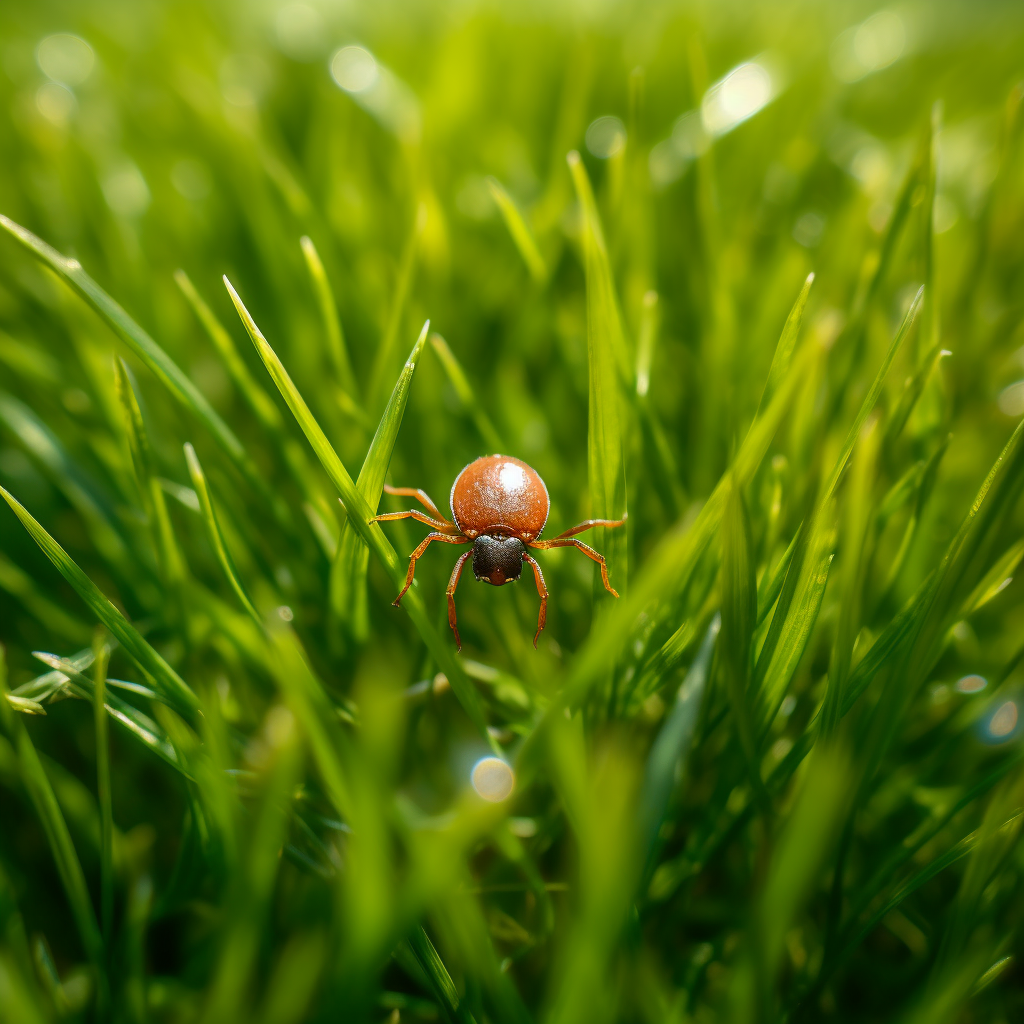
  • Ticks: Typically start to appear from March to May but can be active any time the temperature is above freezing.
  • Spiders: Although spiders can live year-round, they are typically most active in late Spring. [Learn more: Common Spiders in New Jersey]

Common Bugs of Summer

  • Bees: While bees start to become active in spring, they are most commonly seen during the summer months
  • Ants: Ants multiply during the warm summer months and commonly enter homes at the first scent of any sweet or greasy. It’s very common to see a colony of black ants in your house if you do not take steps to control them effectively.
  • Fruit Flies: Attracted to ripe or rotting food, fruit flies are most active during the late summer months.
  • Pincher Bugs: Pesky earwigs are active during spring and summer, though they tend to be nocturnal and rarely make their way into homes.
  • Termites: Most active during the warmer months, termites often make themselves known on a warm summer day after rainfall.

Common Bugs of Fall

  • Stink Bugs: Most active in early fall when the weather is still relatively warm, stink bugs can invade any part of your home.
  • Cockroaches: If you notice cockroaches or waterbugs in your house during the fall and winter months, it is because these pests are in search of warmth, shelter, and food.
  • Beetles: Often mistaken for cockroaches, beetles are most active during the fall in preparation for hibernation. They tend to migrate to any room with warmth and food.

Request a Free, No-Obligation Quote

Request a Free, No-Obligation Quote

Common Bugs of Winter

  • Box Elders: Commonly seen on cold winter days, Box Elders typically hide out in basements where it is warm.
  • Bed Bugs: These critters seek warmth by making their way inside homes, though they are usually transmitted via second-hand furniture and clothing.

General Pest Prevention Tips

Luckily, most preventative pest control methods will work for pests year-round.

  • Keep a clean house
  • Carefully inspect packages before bringing them into your home
  • Be wary of used items from thrift stores
  • Practice proper food storage
  • Fix leaky faucets and plumbing
  • Maintain the landscaping outside your house
  • Seal any cracks and crevices in your home
  • Repair broken screens on windows and doors
  • Get rid of standing water inside and outside your home

The Importance of All-Season Pest Control

With that said, not all pest prevention tips will be 100% effective.

For example, it can be difficult to keep bees and mosquitos out of your yard, especially if you have a thriving garden or even a bird bath in your backyard.

Similarly, beetles and elder bugs can easily make their way into your home even without a plentiful food source simply because your home has warmth.

Therefore, all-season pest control is imperative to ensuring that pests stay far away from your home throughout the year.

An all-season pest control approach is tailored to the habits and life cycles of the pests most common in your area and targets the pests that are most likely to show up during each season of the year.

Work with your local exterminator to create an all-season pest control plan that repels most forms of pests and insects.

Anchor Pest Control’s Pest Protect 365 offers year-round protection against over 40 species of pests. Contact one of our customer representatives for more information.

FAQs

Can I use the same pest control methods throughout the year?

There are some general best practices we recommend for every pest. However, the pest control method you use should be tailored to the specific pest you are targeting. Even different baits and traps will be designed for different pests.

Can year-round pest control methods help with allergies?

Certain types of pests can trigger allergies for many people, so utilizing year-round pest control can be helpful in keeping those allergens at bay. Be sure to consult with a pest control professional if you are experiencing any unusual allergy-like symptoms, as this may indicate a pest infestation.

Are there natural ways to control pests during all seasons?

There are many ways to reduce the chances of unwelcome pests entering your home throughout the year, from keeping a clean house to repairing any broken screens on your windows or doors. Other natural remedies, such as planting certain herbs in your garden or diffusing essential oils, may also be effective in keeping pests away year-round.

10 Ways to Keep Animals Out of Your Garbage

Having the occasional raccoon ransack your garbage may feel innocuous, but inviting wild animals to snack on your outdoor garbage can be dangerous.

Between bears and wildlife in New Jersey that carry diseases or threaten homeowners and their families, it’s very important to protect your trash from wildlife threats.

Furthermore, the smell of garbage can attract other nuisance pests that eventually enter your home.

To prevent these issues, we’ve outlined 10 quick tips to keep animals out of your garbage once and for all.Request a Free, No-Obligation Quote

Request a Free, No-Obligation Quote

1. Minimize the amount of food waste in your trash.

If you can, use the garbage disposal on your sink or put food into your trash bins only on pick-up day. Make sure that cans are always brought to the curb on garbage day and that you aren’t letting any trash pile up outside the can.

2. Keep your trash can lids secure.

Many of the older metal cans have lids that clip on tightly. Today, the new plastic cans that can be picked up by garbage trucks have lids that blow open fairly easily. A bungee cord can keep the lids closed without much hassle.

3. Move your trash indoors.

If you have a cold garage or shed, you can keep your trash cans inside. Keeping trash indoors will keep the creatures out, though it may invite pests, such as big black ants if you don’t secure your lids properly.

4. Cover up the smell of food.

Spray bleach, ammonia, or vinegar to mask the smell of rotting food and garbage. Raccoons, cats, and squirrels will be repelled and fooled by these smells, so apply them regularly if you feel that your trash is a bit too strongly scented. This will also help keep away rodents.

5. Stake down the garbage cans.

The wind can knock your garbage cans over. Run a rope over the top of the cans and stake them down to the ground for added protection. This will also protect your cans from wild animals that topple your cans in search of food.

6. Wash your trash cans frequently.

The build-up of delicious-smelling food runoff is irresistible to our furry little diners. Keeping your cans clean will eliminate any residue or unwanted smells that build up over time.

7. Keep food scraps in the freezer until garbage day.

Freezing food scraps during the warmer months will keep them from smelling bad while you are waiting for pick-up day.

8. Christmas lights can keep animals out.

Christmas lights scare raccoons and other animals, so they are perfect to keep critters out. You can put out a small wooden or metal frame or simply hang lights on the garbage cans to keep everyone out.

9. Build a chicken-wire box for your trash cans.

Anything that can keep the animals from being able to open the tops will prevent them from getting in. Try erecting a chicken wire fence or keeping your cans behind an existing one, even on a porch or deck if possible.

10. Animal repellent is a simple solution.

Several over-the-counter sprays can be put on the cans and on the trash that will keep the raccoons and other creatures out.

Generally, though, most preventative pest control best practices will be useful in keeping animals out of your trash, though you might need to take some extra precautions.

One critical note: If you see a raccoon or other animals acting strangely, please call Anchor Pest Control as soon as possible. Raccoons and other mammals can carry rabies and give it to pets and family members.

If you find that you have a consistent problem with animals in your garbage, call us, and we will come out to assess the situation. We have professional solutions that will keep your garbage in the cans when these DIY options may not help.

FAQs: How to Keep Animals Out of Trash

How can I deter raccoons from rummaging through my trash?

Place a brick or cinder block on the lid of your can to prevent raccoons from opening them with their hands.

Are there any eco-friendly ways to keep animals out of my garbage?

Spread natural herbs, such as mint, around trash cans to repel animals. Other natural pest control methods, such as ammonia, are also helpful as they irritate wildlife but not necessarily hurt them.

What should I do if I encounter a wild animal while managing my trash?

Call animal control or your local exterminator immediately. Even animals, such as opossums, can be highly dangerous if they have rabies or carry any other diseases.